Strategic Talent Management Services:
Unlocking Your Workforce Potential
Talent management and succession planning are critical HR levers that shape the long-term viability, adaptability, and competitiveness of organisations. In South Africa, these practices have gained heightened importance over the past decade in response to COVID-19 disruptions and the rapid rise of digital technologies and AI. Research shows that companies with structured talent and succession strategies demonstrate stronger resilience, faster recovery in crisis periods, and better leadership continuity across all business sizes. Understanding these shifts is essential for organisations committed to building sustainable and future-fit workforces.
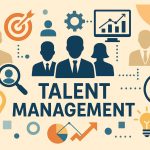
Strategic Talent Management is the strategic process of attracting, developing, retaining, and aligning your workforce to achieve organisational success. At Esterhuizen Coaching and Consulting (ECCSA), we believe your people are your greatest asset. Our comprehensive strategic talent management solutions empower organisations to build strong, future-ready teams. Whether you’re a talent manager or part of an HR team, we provide the tools and strategies you need to drive performance and engagement.
Effective talent management services extend beyond hiring; they’re about building a resilient and adaptable workforce that aligns with your culture and goals. From talent acquisition to succession planning, our approach supports every stage of the employee lifecycle. At the heart of this is talent pipeline management, ensuring you continuously identify and nurture high-potential individuals to meet evolving business needs. The key components outlined below form a cohesive framework that helps organisations stay competitive, retain top talent, and foster leadership at every level.
Our approach focuses on enhancing talent assessment with psychometric testing, providing organisations with evidence-based insights that support better people decisions across the employee lifecycle. This includes HR strategy consulting that connects workforce planning, leadership capability, and organisational goals to long-term sustainability and performance.

The Functions of Talent Management
Recent research highlights that Talent Management is more than an HR process; it is a strategic lever for sustainable performance (Collings, Mellahi & Cascio, 2019). At ECCSA, we design talent strategies that deliver on five essential functions:
- Strategic Alignment: Ensuring that your talent strategy directly supports long-term business goals and organisational growth.
- Capability Building: Developing the skills, knowledge, and agility your workforce needs to thrive in a fast-changing environment.
- Differentiation: Identifying pivotal roles and high-value employees who drive disproportionate results, while ensuring all employees are developed to their potential.
- Employee Value Proposition (EVP): Creating a compelling reason for employees to join, stay, and thrive, strengthening your reputation as an employer of choice.
- Diversity, Equity & Inclusion (DEI): Embedding fairness, innovation, and sustainability into every stage of the employee lifecycle by creating a workplace where everyone belongs.
What Has Changed in the Talent Landscape
Across South Africa, the talent landscape has shifted dramatically. Businesses face skills shortages, rapid digitalisation, and increasing pressure to build agile teams that can adapt quickly. Research highlights that post-COVID realities, combined with rising AI adoption, have reshaped how companies attract, develop, and retain talent.
Many SMEs still rely on informal talent practices, while larger organisations have moved toward structured talent management systems, predictive analytics, and emergency succession planning. ECCSA bridges this gap by helping organisations of all sizes build robust talent management systems that enhance performance and long-term resilience.
Our structured succession planning framework ensures continuity in key roles while reducing risk through a clearly defined succession planning process.
Each succession planning strategy is customised to the organisation’s size, growth phase, and leadership pipeline.
The Principles that Guide Our Approach
At Esterhuizen Coaching and Consulting, we believe effective talent management must be both strategic and human-centred. Six principles guide our approach:
- Strategic and Evidence-Based: All decisions are grounded in organisational strategy and supported by data, including psychometrics, workforce analytics, and global best practice.
- Fairness and Transparency: We strike a balance between focusing on high-potential talent and inclusive practices to ensure equity and trust throughout the workforce.
- Employee-Centricity: Employees are not passive resources but active partners. We co-create career paths and growth opportunities with them.
- Agility and Flexibility: Building adaptive capacity so organisations can respond effectively to technological, demographic, and market shifts.
- Sustainability and Well-Being: Supporting resilience, mental health, and employability to ensure long-term success for both the individual and the organisation.
- Integration Across HR Systems: Embedding talent management across recruitment, development, performance, rewards, and succession, creating a cohesive people strategy.
Key Components of Talent Management
- Workforce Planning: Strategic workforce planning ensures that your talent strategy directly supports your business strategy. It involves analysing future business needs, mapping roles to strategic objectives, and identifying the competencies required for success. By aligning workforce capabilities with organisational goals, companies build resilience, close skills gaps, and prepare proactively for growth and change.
- Talent Acquisition: Attract and hire the right talent with a clear understanding of role requirements and alignment with organisational culture. Proper job descriptions, structured selection processes, and hiring procedures enable talent managers to identify candidates who not only meet technical requirements but also align with the company’s values and goals.
- Onboarding and Integration: Help new employees adapt quickly and effectively to their roles with structured onboarding processes. This ensures they feel welcomed and understand the organisation’s culture and values, setting the stage for long-term success. Effective onboarding is a cornerstone of talent management services, ensuring new hires and talent managers are aligned from day one.
- Performance Management: Set clear goals, provide regular feedback, and evaluate employee performance to align individual contributions with business objectives. Effective performance management promotes accountability and growth.
- Learning and Development: Upskill and reskill your workforce to meet evolving business needs. Tailored training programs focus on enhancing both technical and behavioural competencies, ensuring your employees are equipped for future challenges.
- Training: Upskill and reskill your workforce to meet evolving business needs. Tailored training programmes focus on enhancing both technical and behavioural competencies, while blended approaches combine classroom training, e-learning, and experiential learning.
- Leadership Development: Empower your leaders with the skills and insights needed to guide teams and drive organisational success. Programs focus on enhancing decision-making, emotional intelligence, and strategic thinking.
- Executive Coaching: Provide personalised coaching for executives to refine their leadership skills, improve performance, and align their vision with the organisation’s strategic goals. Executive coaching supports sustainable leadership excellence.
- Team Coaching: Enhance collaboration, communication, and trust within teams through targeted coaching initiatives. Team coaching fosters stronger interpersonal relationships, improved productivity, and alignment with organisational objectives.
- Graduate and Trainee Programmes: Develop structured graduate and trainee initiatives that accelerate early-career growth and build strong future talent pipelines. These programmes combine competency-based selection inputs, psychometric assessments, and tailored development pathways to ensure young professionals gain the skills, mentoring, and experience needed to succeed. By aligning graduate development with organisational strategy, companies secure future-ready talent and strengthen long-term workforce capability.
- Succession Planning: Identify and nurture high-potential employees to prepare them for key leadership roles. Succession planning ensures business continuity and builds a robust talent pipeline to secure the organisation’s future.
- Employee Engagement and Retention: Create an environment where employees feel valued, motivated, and aligned with organisational goals. This enhances productivity, fosters loyalty, and reduces turnover.
- Talent Review and Analysis: Leverage psychometric assessments, HR analytics, and evidence-based evaluations to identify potential, monitor skills gaps, and support fair, objective talent decisions. Data-driven insights enable stronger workforce planning, targeted development, and smarter succession strategies.
Our approach is grounded in the latest research in industrial and organisational psychology (Gallardo-Gallardo et al., 2020; Collings, Mellahi & Cascio, 2019), ensuring our strategies are not only practical but also scientifically validated.
Why Talent Management Matters
Recent studies confirm that talent identification, development, and structured succession planning significantly improve organisational agility and crisis readiness, especially during disruptions such as COVID-19 and technological shifts across industries.
Organisations that invest in these capabilities outperform others through improved employee engagement, lower turnover, and stronger leadership pipelines that can carry the organisation through uncertainty.

The Importance of Proper Job Descriptions
A well-crafted job description serves as the foundation for effective talent management. It helps:
- Define Expectations: Employees understand their responsibilities and performance metrics.
- Align Talent with Organisational Needs: Role clarity ensures employees’ skills and abilities meet business demands.
- Attract the Right Candidates: Clearly defined roles resonate with top talent who align with the company’s culture and values.
At Esterhuizen Coaching and Consulting, we assist in developing job descriptions that not only articulate roles but also align with your company’s competencies and culture.
Psychometric Assessments: Enhancing Talent Management
Psychometric assessments provide objective insights into an individual’s abilities, personality, and potential. They are invaluable tools in recruitment, development, and succession planning, and play a critical role in enhancing talent assessment with psychometric testing across the employee lifecycle.
- Explore our offerings: Psychometric Testing Services
We provide robust talent assessment solutions that combine psychometric tools, behavioural insights, and role-based requirements to support fair, ethical, and defensible decision-making. This includes established assessments such as Career Path Appreciation (CPA), the WRISc integrity and workplace risk assessment, and the Cognitive Process Profile (CPP), as well as many other tools from various assessment providers. Our approach focuses on enhancing talent assessment with psychometric testing in South Africa, ensuring assessments are contextually relevant and aligned to local organisational and legislative requirements.
This includes validated competency testing to assess capability, potential, and readiness for development or advancement, supporting more informed decisions around placement, promotion, and succession.
By leveraging these services, organisations can ensure strong alignment between employee capabilities and organisational requirements, while reducing people-related risk and improving long-term performance outcomes.
Our talent management solutions integrate assessment, development, and succession practices, drawing on a wide range of psychometric assessments from multiple test providers. Because we are not limited to a single assessment framework, we can design customised, fit-for-purpose solutions that ensure the right people are identified, developed, and retained in critical roles.
The Role of Competencies and Culture Alignment
For Talent Management to be effective, it must be integrated with your company’s competencies and culture. Employees thrive in environments where their values and abilities resonate with the organisational ethos. This alignment drives:
- Enhanced Collaboration: Teams work more cohesively when aligned with shared values.
- Improved Performance: Employees excel in roles tailored to their strengths.
- Sustainable Growth: A culture-first approach ensures long-term success.
How We Can Help
Through our talent management consulting, we work closely with leadership and HR teams to design practical, scalable systems that align people capability with business strategy.
We specialise in creating tailored Talent Management strategies that empower organisations to unlock the full potential of their workforce. Whether you’re a talent manager seeking strategic tools or a business leader aiming to optimise team performance, our expertise ensures your talent aligns with your business goals. Our solutions include:
- Workforce Planning: Align your talent strategy with business objectives by forecasting future talent needs and mapping competencies to organisational strategy. This ensures you have the right people, in the right roles, at the right time.
- Supporting Talent Acquisition: While we don’t manage recruitment directly, we strengthen your hiring process by providing competency-based role profiling, psychometric assessments, and tailored interview questions aligned with your organisation’s culture and role requirements. We also train HR teams, leaders, and selection panels on conducting structured, fair, and competency-based interviews. By combining evidence-based insights with practical tools, we help organisations make consistent, objective, and strategically aligned hiring decisions that ensure candidates are both technically capable and culturally the right fit.
- Graduate and trainee programmes: Support the design and implementation of graduate and trainee selection and development programmes that build strong future pipelines. We assist organisations in identifying the right candidates through assessments and structured processes, and in developing tailored training and growth pathways to accelerate early-career potential and align with long-term business needs.
- Competency Mapping: Align roles with business needs and strategic goals to drive organisational success. This process ensures employees’ skills and competencies meet the demands of their roles.
- Psychometric Assessments: Use objective, evidence-based tools to evaluate talent and ensure alignment with required competencies. Assessments provide valuable insights for hiring decisions, employee development, and succession planning, helping organisations build stronger teams.
- Performance Management Systems: Implement effective processes to measure, manage, and improve performance. Our systems ensure that employees and managers are working toward common goals with clear expectations.
- Culture Alignment: Build a workforce that embodies your organisation’s values. Aligning culture with employee behaviour fosters collaboration, engagement, and productivity.
- Onboarding Programmes: Design seamless onboarding experiences to integrate new hires quickly and effectively into your organisation’s culture. Our onboarding strategies set the stage for long-term employee success.
- Assessment Centres: Design and facilitate assessment centres to evaluate employees and leaders in real or simulated work situations. These centres provide rich, objective insights into strengths, development needs, and potential, supporting both selection decisions and leadership development programmes.
- Leadership Development: Equip current and future leaders with the skills and tools needed to drive organisational growth and innovation. Our programmes are tailored to enhance decision-making, emotional intelligence, and strategic thinking.
- Executive Coaching: Provide personalised coaching for executives to refine their leadership skills and align their vision with organisational goals. Executive coaching supports leadership excellence and sustainable success.
- Team Coaching: Enhance collaboration, trust, and communication through targeted coaching initiatives. Team coaching empowers managers to create high-performing teams aligned with organisational objectives.
- Succession Planning: Identify and prepare high-potential employees for key leadership roles. Succession planning ensures business continuity and builds a strong, future-ready talent pipeline.
- Employee Engagement and Retention: Foster loyalty and motivation by creating an environment where employees feel valued. Our strategies include recognition systems, EVP design, well-being initiatives, and retention planning.
- Talent Review and Analytics: Leverage HR analytics, psychometric data, and workforce dashboards to identify skills gaps, track talent development, and support fair, objective decision-making. Data-driven insights make your talent strategy smarter and more sustainable.
By leveraging our comprehensive talent management services, your organisation can attract, develop, and retain the right talent to thrive in today’s competitive landscape.

Benefits of Effective Talent Management
- Attract Top Talent: A strong talent management framework enhances the organisation’s reputation as an employer of choice.
- Retain High Performers: Reduce turnover by fostering employee satisfaction.
- Boost Organisational Performance: Align employee efforts with business goals.
- Future-Proofing the Workforce: Succession planning and skill development prepare the organisation for future challenges and build a sustainable talent pipeline.
Effective talent management services help organisations create a strong talent pipeline, ensuring they are prepared for future challenges and opportunities.
At ECCSA, we believe the best talent decisions are made with evidence, not intuition. By combining psychometric assessments, HR analytics, and research-based methods, we give organisations objective insights into their workforce. This empowers leaders to plan strategically, develop talent purposefully, and build resilient succession pipelines.
Get Started Today
Unlock the potential of your workforce with our tailored talent management services. Whether you’re a talent manager, an HR professional, or a business leader, we can help you attract, develop, and retain top talent while building a sustainable talent pipeline.
By combining strategy, assessment, and development, our talent management services help organisations build sustainable leadership pipelines and future-ready capability.
Our expertise in competency mapping, psychometric assessments, leadership development, and culture alignment ensures your organisation is prepared to meet current challenges and thrive in the future.
Let our expert Talent Assessment Consultant help you transform your talent strategy into a competitive advantage.
Contact us today to schedule a free consultation and discover how our talent management services can drive your organisation’s success.
Related Articles
You may also find these articles valuable.
Handpicked content to help you reflect, grow, and take the next step.