
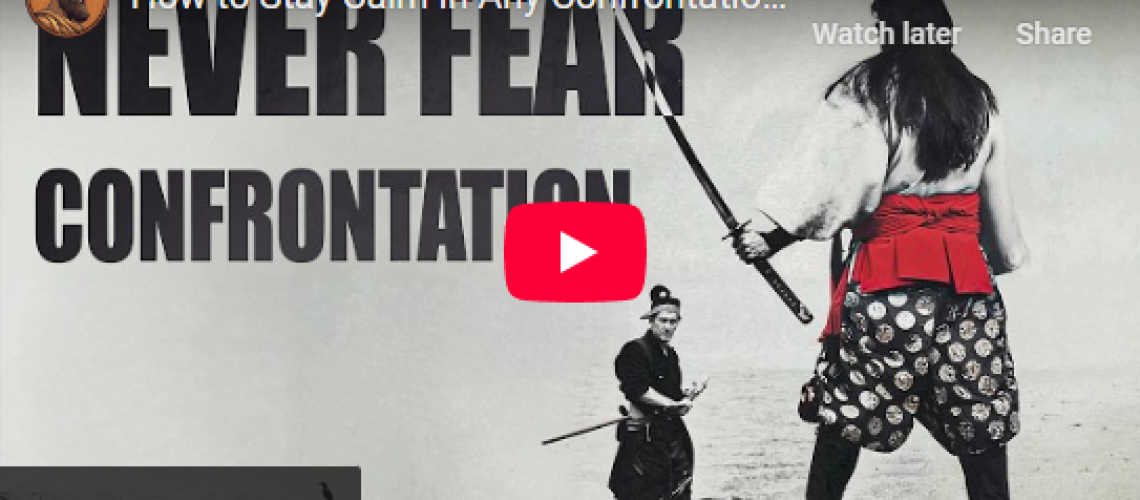

In the heat of confrontation, the most dangerous person is not the loudest or the strongest, but the calmest. This paradox is at the heart of Miyamoto Musashi’s teachings, which have stood the test of time. Musashi, a legendary swordsman, developed a systematic approach to emotional control that allowed him to win numerous duels. His four-step framework for maintaining calm can be applied to modern conflicts, and it starts with a principle that many overlook: emotional distance.
The First Principle: Emotional Distance
When faced with a challenge or provocation, our bodies react instinctively. Stress hormones flood our system, our hearts race, and our thoughts narrow. Musashi understood that the key to victory wasn’t just superior sword skills but the ability to step outside this emotional storm. He described watching confrontations as if from above, akin to observing clouds pass by without becoming part of the storm.
Consider a time when someone provoked you. In that moment, you likely became consumed by anger, allowing it to dictate your words and actions. Musashi’s opponents often fell into this trap, allowing their emotions to cloud their judgment. Emotional distance involves creating a space between what happens and how you react. For instance, when insulted, instead of firing back, you might think, “I notice I’m feeling angry,” rather than saying, “I am angry.” This subtle shift can change the outcome of a confrontation.
To practice emotional distance, start with a simple exercise: when you feel strong emotions during conflicts, acknowledge your feelings. Research supports Musashi’s insights; brain scans show that labelling emotions activates the rational part of the brain, calming emotional responses. This technique is often taught in therapy for good reason.
The Second Principle: Anticipatory Awareness
Once you’ve created emotional distance, it’s essential to understand what might happen next in a confrontation. Musashi referred to this as anticipatory awareness or foreknowledge. This principle is about recognising human patterns in behaviour. When someone feels threatened, their options narrow to predictable responses, which Musashi studied meticulously.
Think of a skilled chess player who sees several moves ahead. They don’t guess; they recognise patterns. Musashi applied this principle to human behaviour during conflict. For example, when facing Sasaki Kojiro, he carved a wooden sword to prepare for their duel, knowing it would give him a tactical advantage. You can develop this awareness by asking yourself three questions before entering a challenging conversation:
- What is this person’s likely emotional state?
- What do they really want from this interaction?
- What are the three most likely ways they might react?
This kind of preparation reduces emotional surprises. For instance, in high-stakes negotiations, experienced FBI hostage negotiators invest time in profiling their counterparts. This foreknowledge allows them to remain calm when others panic, fostering effective communication rather than escalating tensions.
The Third Principle: Strategic Breathing
Even with emotional distance and anticipatory awareness, Musashi recognised that a third element was crucial for maintaining calm: strategic breathing. He noted that when swordsmen became anxious or angry, their breathing became shallow and rapid. By controlling your breath, you can control your mind. Musashi emphasised breathing techniques during his training, understanding that breath directly connects to emotional states.
When calm, we breathe deeply and slowly. In contrast, fear and anger lead to rapid, shallow breathing. This physiological response is linked to our nervous system; fast breathing triggers the fight-or-flight response, while slow, deep breathing activates the parasympathetic system, promoting calm. Musashi developed a specific breathing pattern, inhaling for four counts and exhaling for six. You can use this technique in high-tension situations, such as meetings or difficult conversations, to regain composure.
The Fourth Principle: Purposeful Action
The final principle of Musashi’s system is purposeful action. He believed that a clear purpose is more powerful than raw emotion. While his opponents often fought out of anger or fear, Musashi maintained a specific objective. His writings emphasise that a warrior should not act impulsively but should focus on their ultimate goal.
When someone challenges you, reacting emotionally can lead to chaos. However, if you stay focused on your larger purpose, you can steer the interaction. For instance, arguments often spiral out of control when individuals lose sight of their true objectives, devolving into personal attacks and grievances. To maintain purposeful focus, define your objective in a single sentence before entering a confrontation. Ask yourself: What outcome serves my long-term goals? Repeating this purpose silently during heated moments can anchor your attention and guide your responses, aligning them with your goals rather than fleeting emotions.
Connecting the Principles to Human Nature
These four principles—emotional distance, anticipatory awareness, strategic breathing, and purposeful action—are not just techniques for conflict resolution; they reveal profound truths about human nature. They resonate with the Buddhist concept of nonattachment. By practicing emotional distance, you detach from reactive thoughts. Anticipatory awareness allows you to see beyond the present moment. Strategic breathing helps you understand the impermanence of emotional states. Finally, purposeful action aligns with Taoist principles of effortless action.
In today’s world, where confrontations are frequent and often unavoidable, these principles are more relevant than ever. The pervasive nature of social media and divisive political climates heightens tensions, making emotional control essential. Yet, ironically, many people practice it less than ever, often reacting impulsively to provocations. The individual who remains calm in such an environment gains clarity that others lack.
Moreover, mastering emotional control reveals a surprising truth: many confrontations are unnecessary. When you stop reacting automatically, you may find that many conflicts simply fade away without your involvement. The truly powerful individual isn’t the one who wins every argument, but the one who selectively engages in confrontations that truly matter.
Practical Applications in Daily Life
To apply Musashi’s teachings in your daily life, consider these actionable steps:
- Practice Emotional Distance: When provoked, take a moment to acknowledge your feelings before responding. This creates space for rational thought.
- Develop Anticipatory Awareness: Before challenging conversations, analyse the emotional states and likely responses of others to prepare effectively.
- Incorporate Strategic Breathing: Use the four-to-six breath technique in stressful situations to maintain composure and clarity.
- Define Your Purpose: Before engaging in any confrontation, clarify your objective and keep it at the forefront of your mind.
By integrating these principles into your life, you can transform confrontations from chaotic exchanges into opportunities for meaningful dialogue and growth.
Final Thoughts
Miyamoto Musashi’s teachings on emotional control offer timeless wisdom for navigating the complexities of modern life. In an era filled with conflict and division, mastering the ability to remain calm and purposeful can not only enhance personal interactions but also lead to greater overall clarity and success. As you practice these principles, you’ll find that not only do you handle confrontations better, but you also engage with the world in a more constructive and meaningful way. Embrace Musashi’s teachings, and discover the power of calm.